Custom Harmonica Microphone
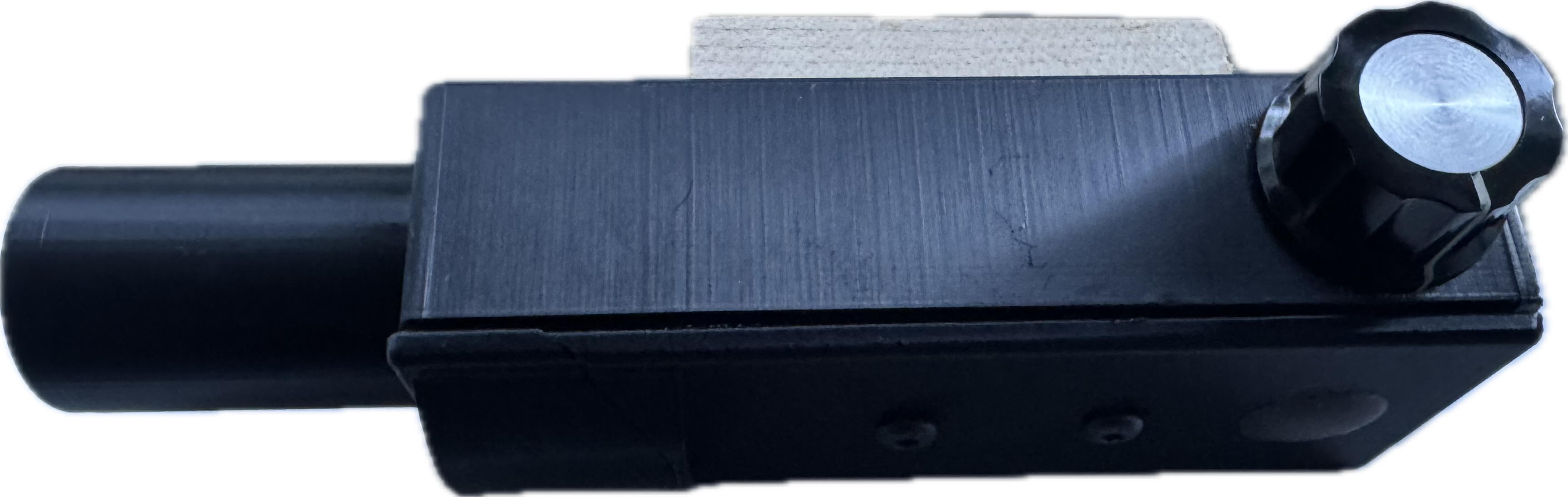
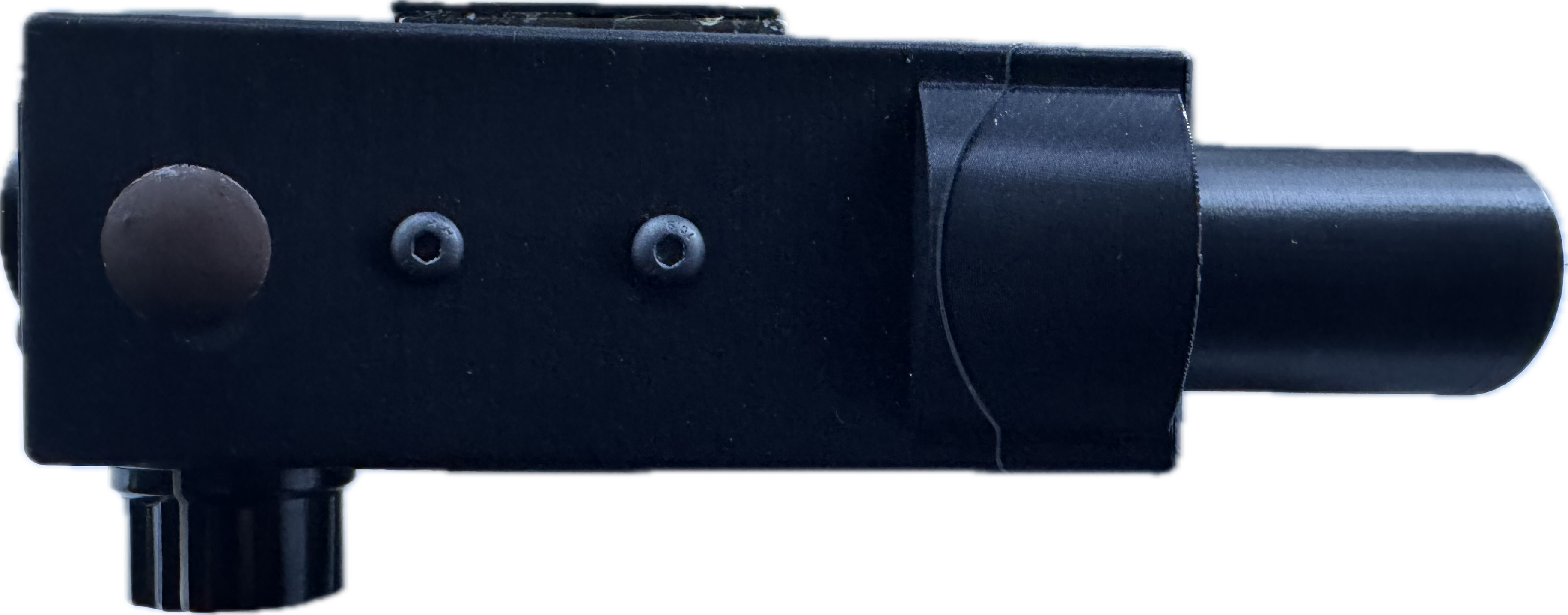
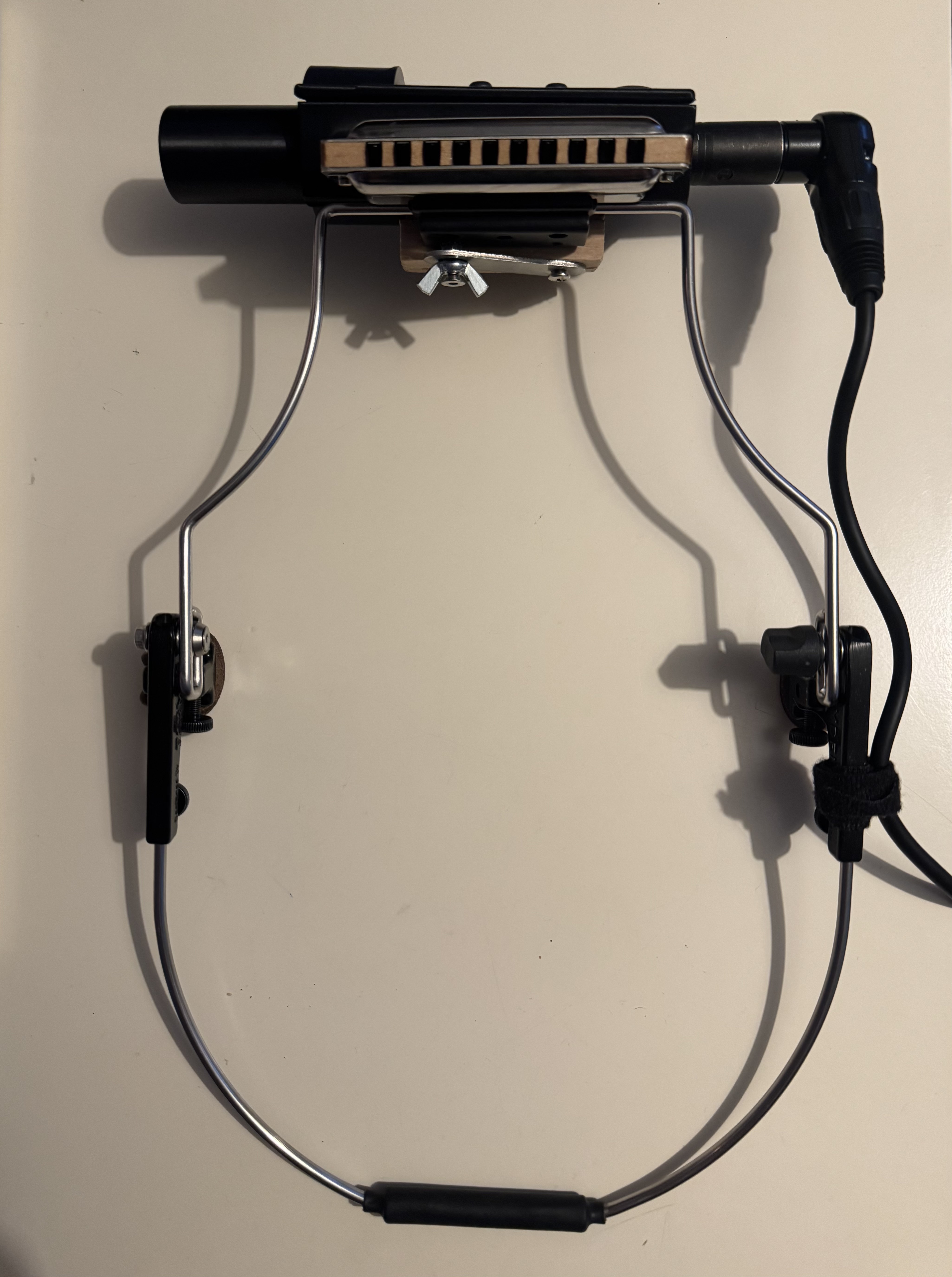
A clip-on mic I designed and built for live harmonica — tight on the harp, out of the way of my hands, and loud enough to sit in a full band mix without cupping a vocal mic.
Why build one?
Playing blues harp through a standard vocal mic works, but it means holding the mic and the harmonica together the whole time. I wanted something that stayed put, sounded good at stage volume, and didn’t cost boutique-harp-mic money. Most of the parts were already in my junk drawer.
Parts & cost
- Shure SM58 cartridge — pulled from an old beat-up SM58 body
- Plastic harmonica case — used for the first physical prototype to test size and clip geometry
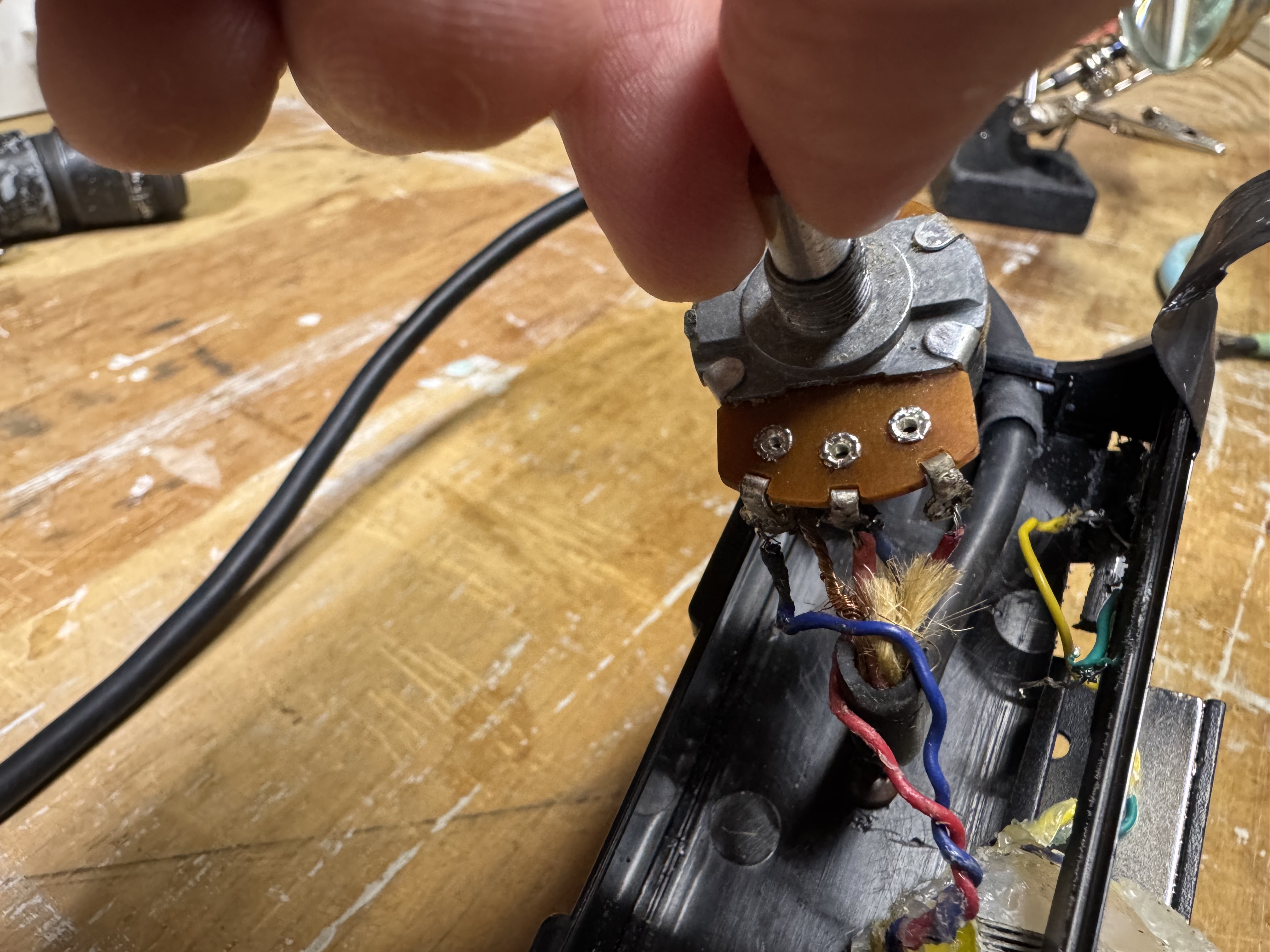
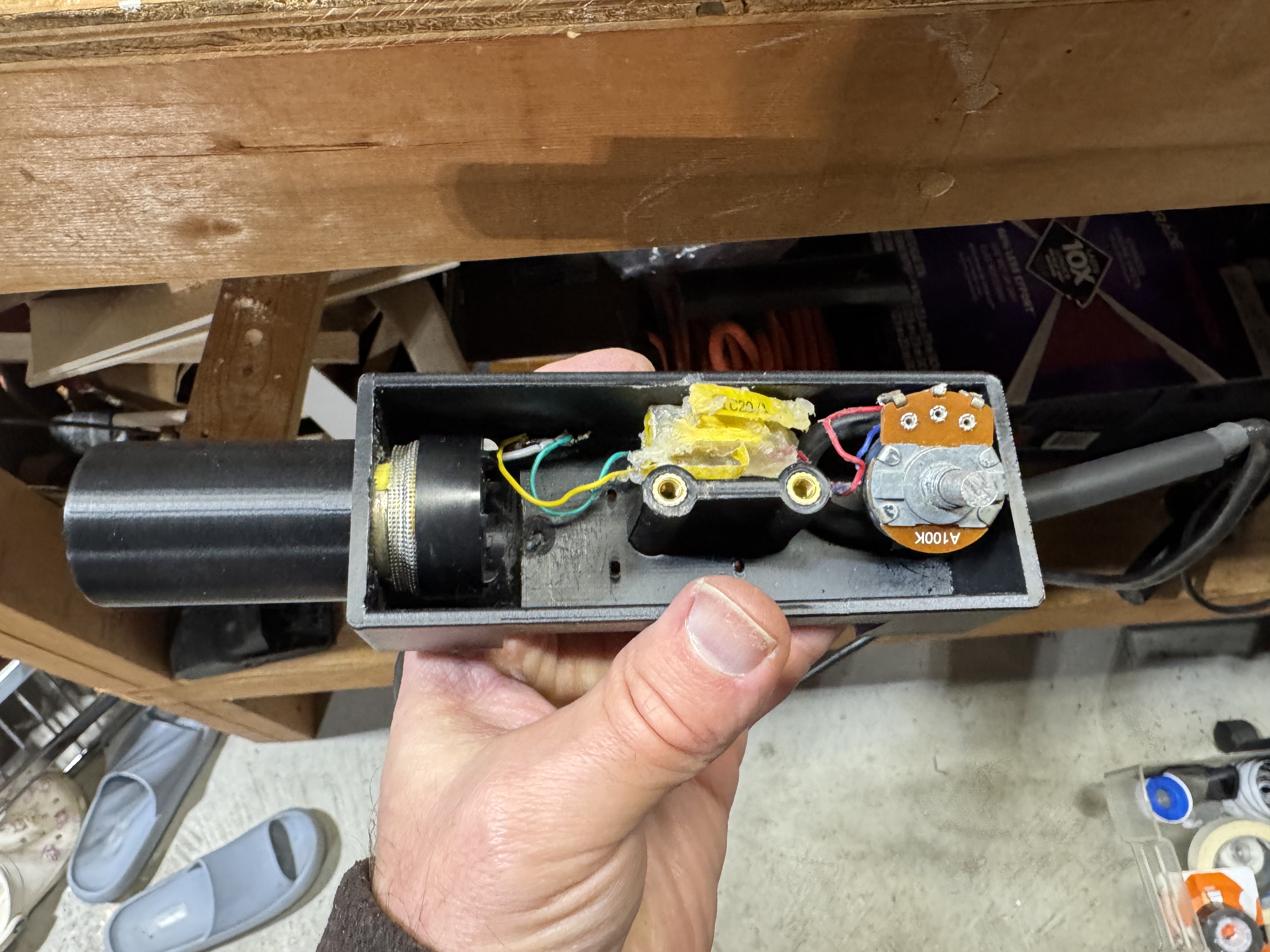
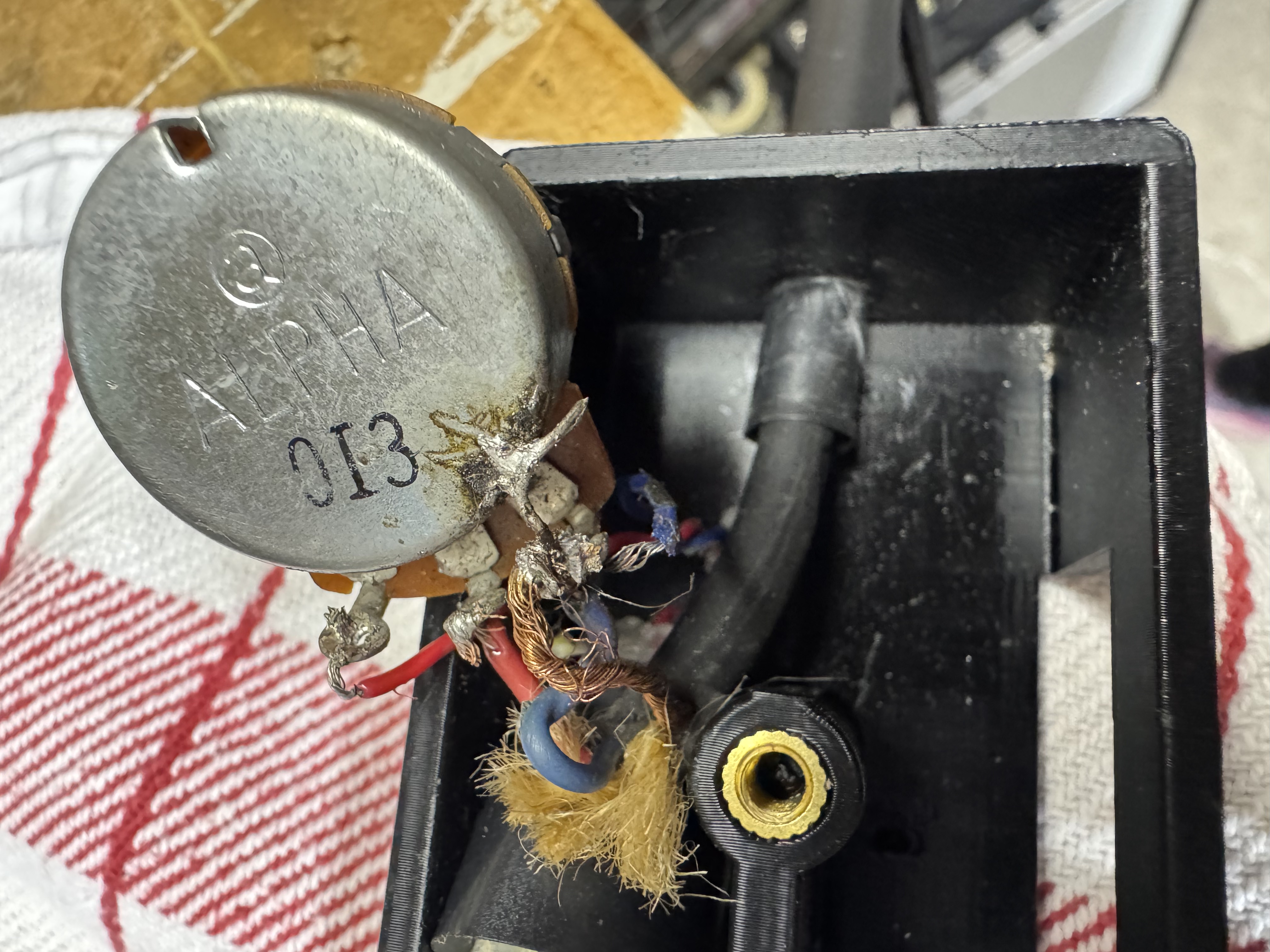
- Spare guitar volume pot — inline level control so I can trim gain at the harp
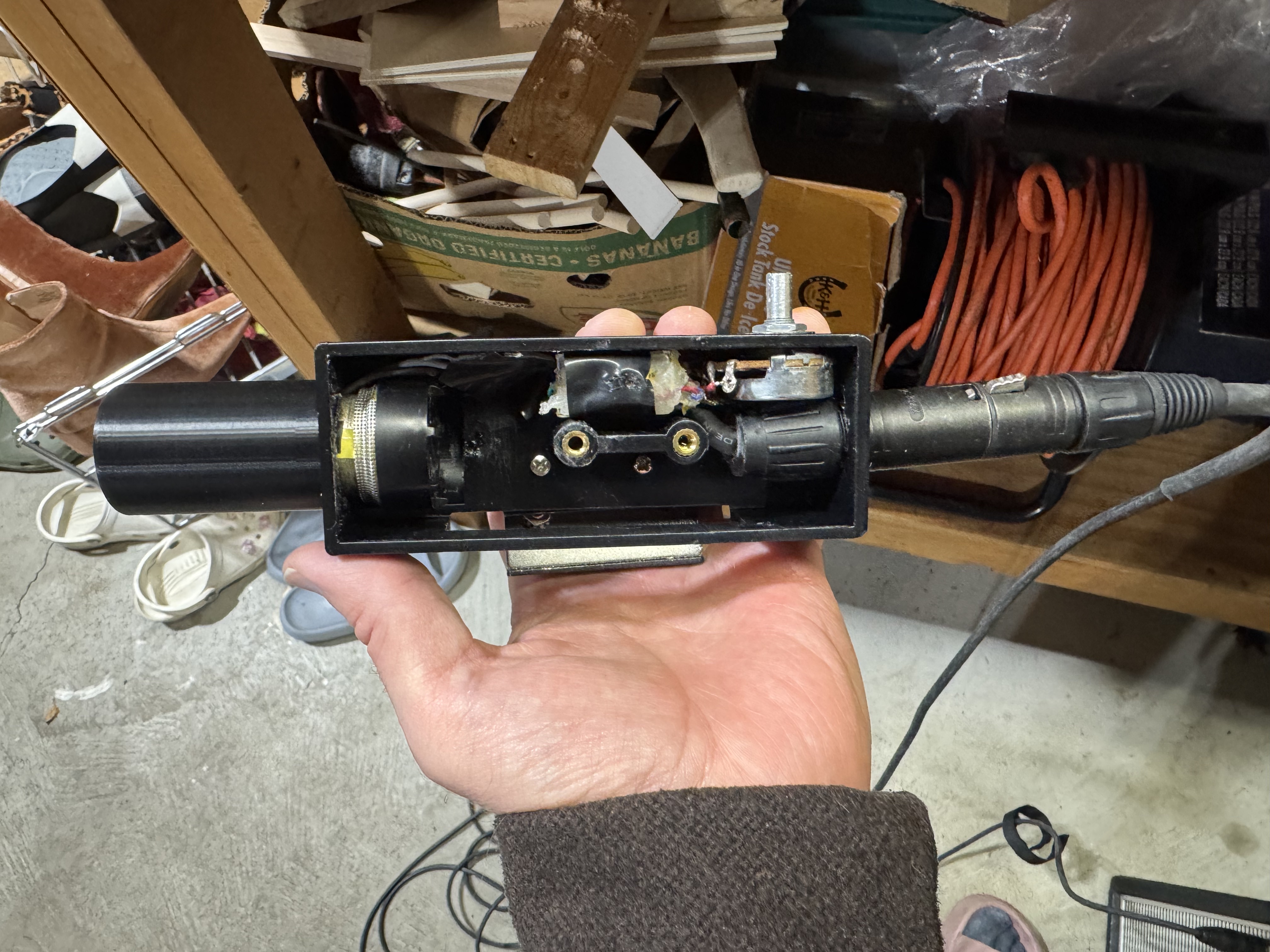
- Old XLR microphone cable — rewired for the new enclosure
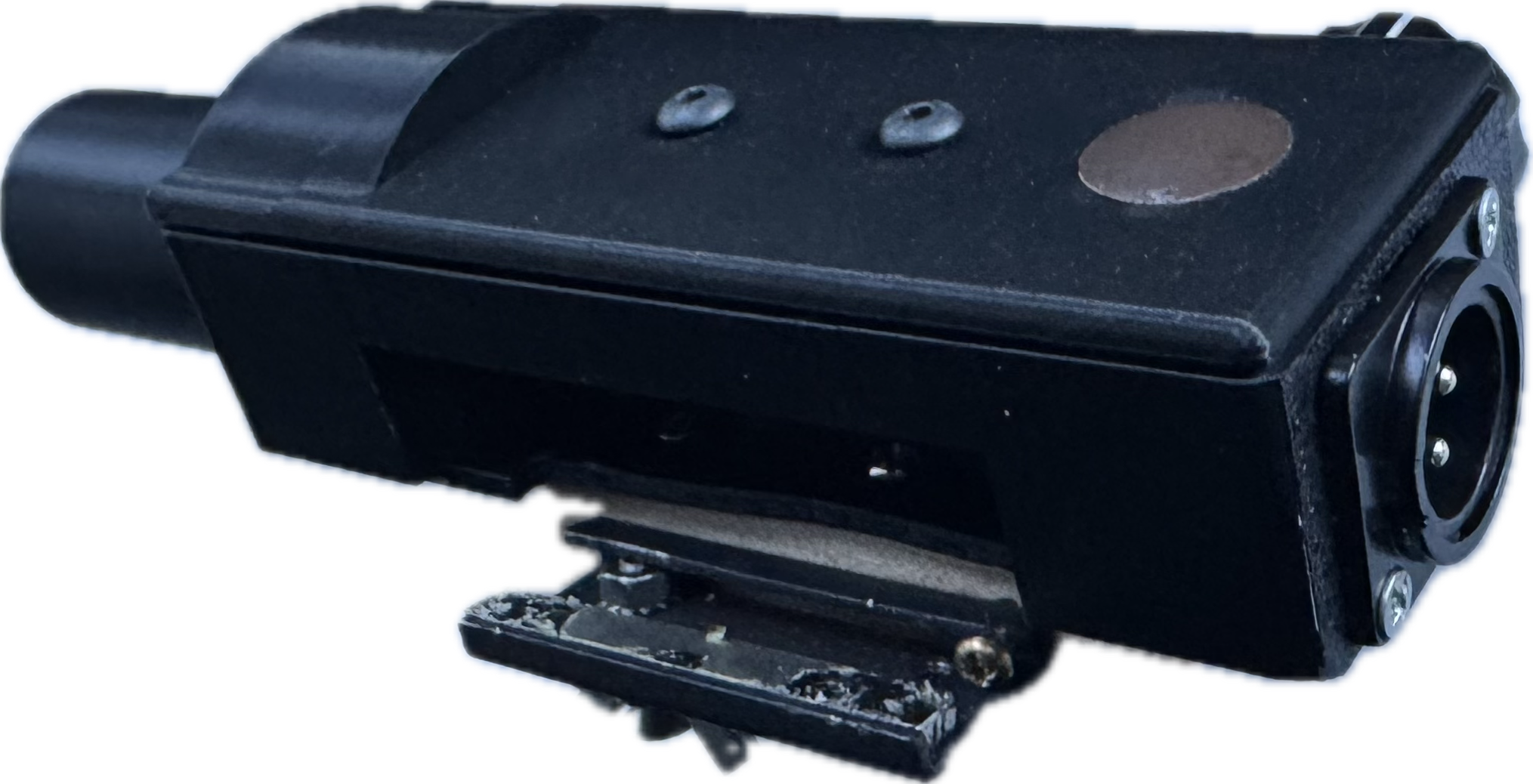
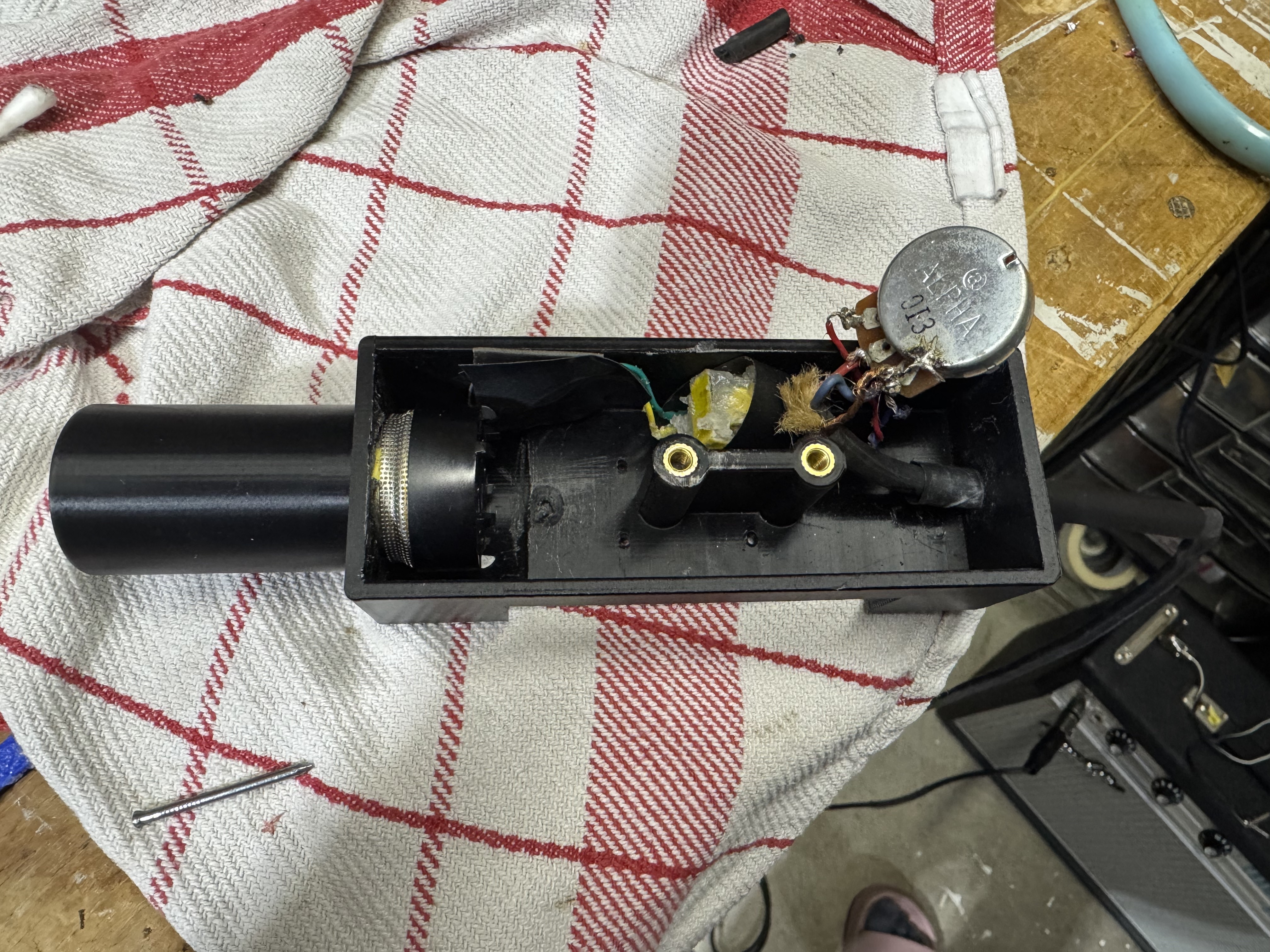
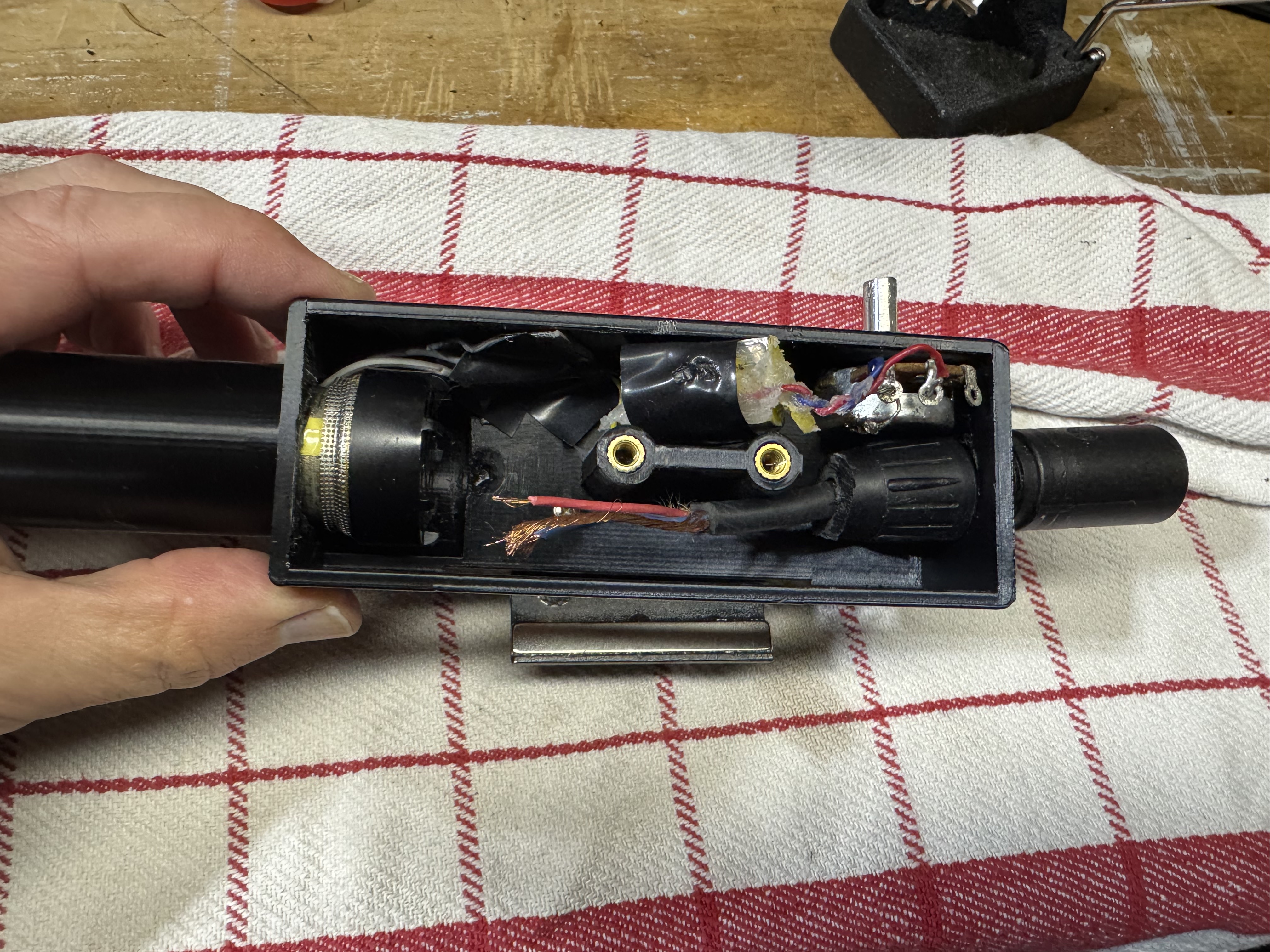
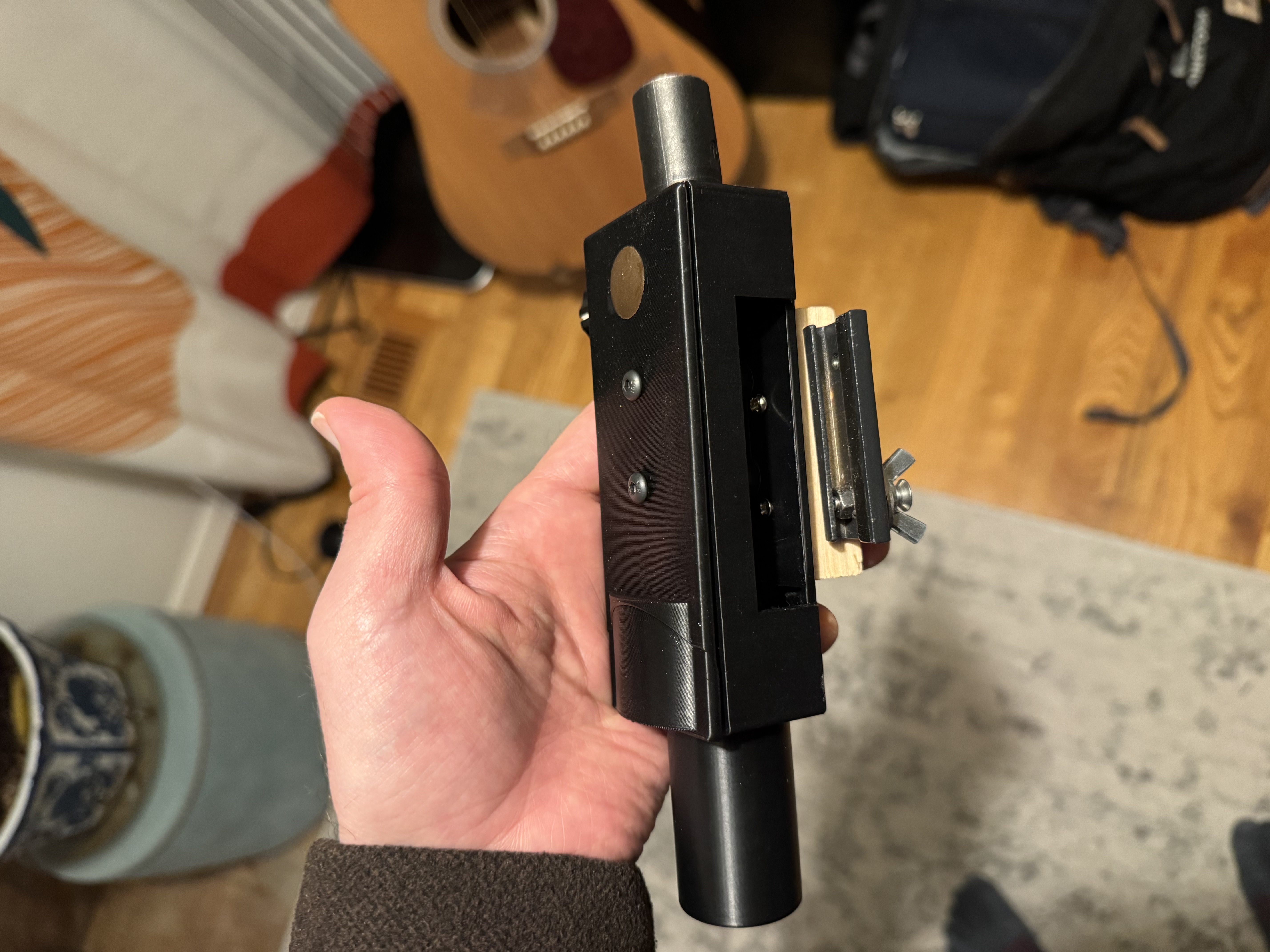
- 3D-printed shell — base and lid, modeled in OpenSCAD with help from Grok
- Hardware — screws, spring clip, and a few cents of filament
If you had to buy everything from scratch — plastic, mic parts, pot, cable, and hardware — you’d still come in around $30 or less. I spent almost nothing because the SM58, pot, and cable were spares.
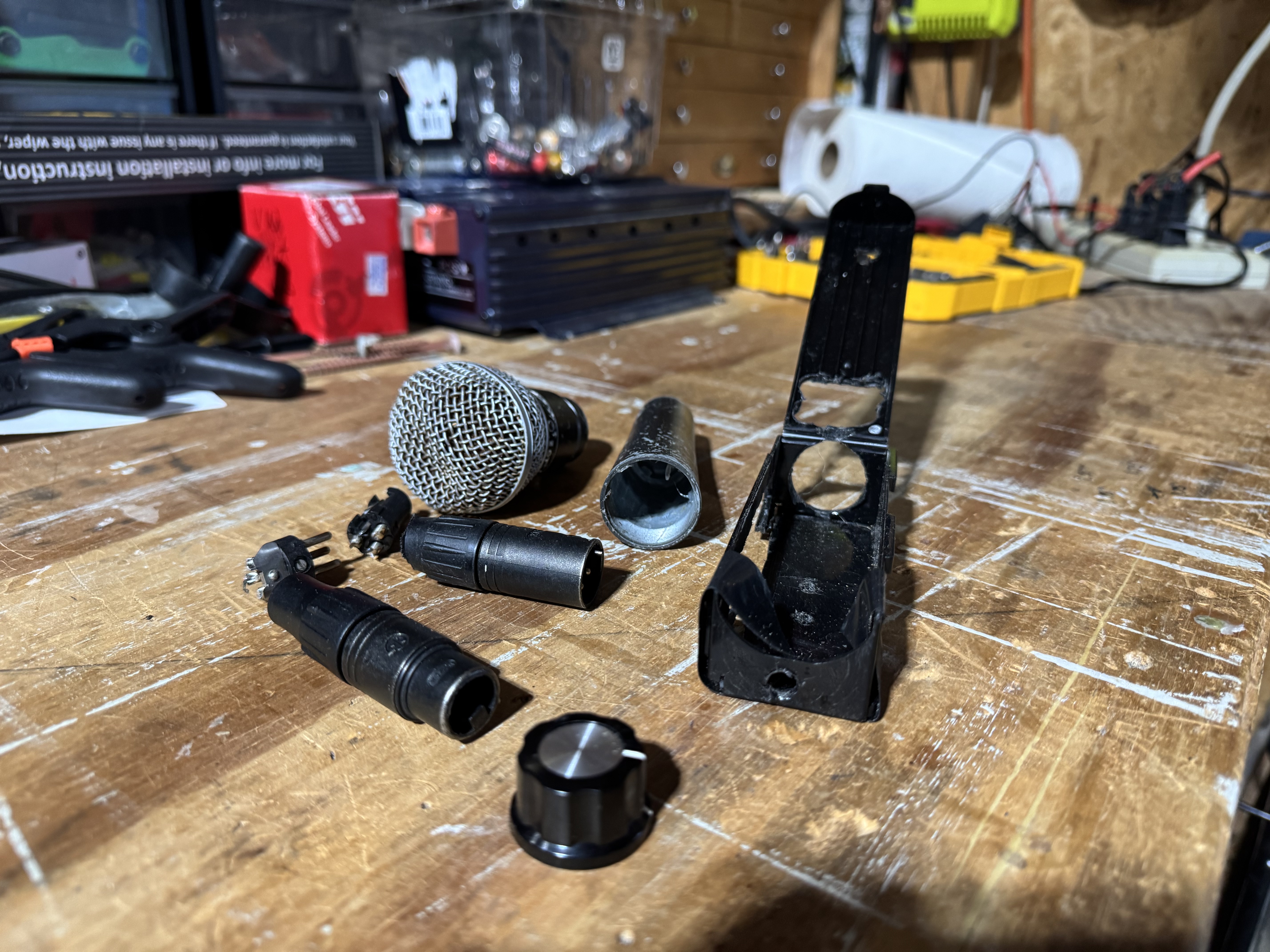
Design: Grok + OpenSCAD
I modeled the enclosure in OpenSCAD. Grok helped me iterate on the parametric geometry — clip tension, cartridge pocket depth, and clearance for the pot — without me redrawing the whole thing in a CAD suite every time something didn’t fit. Source lives on GitHub.
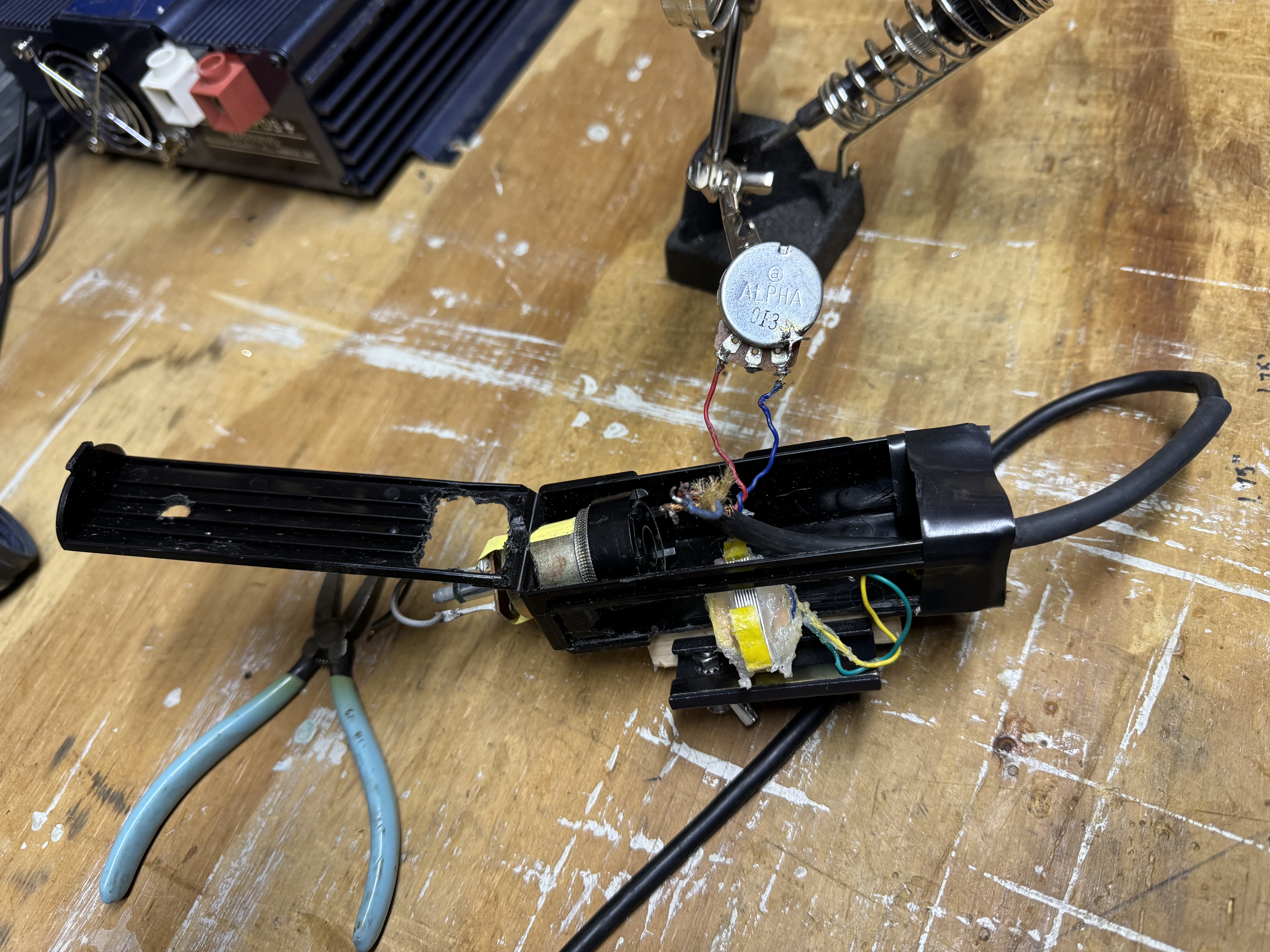
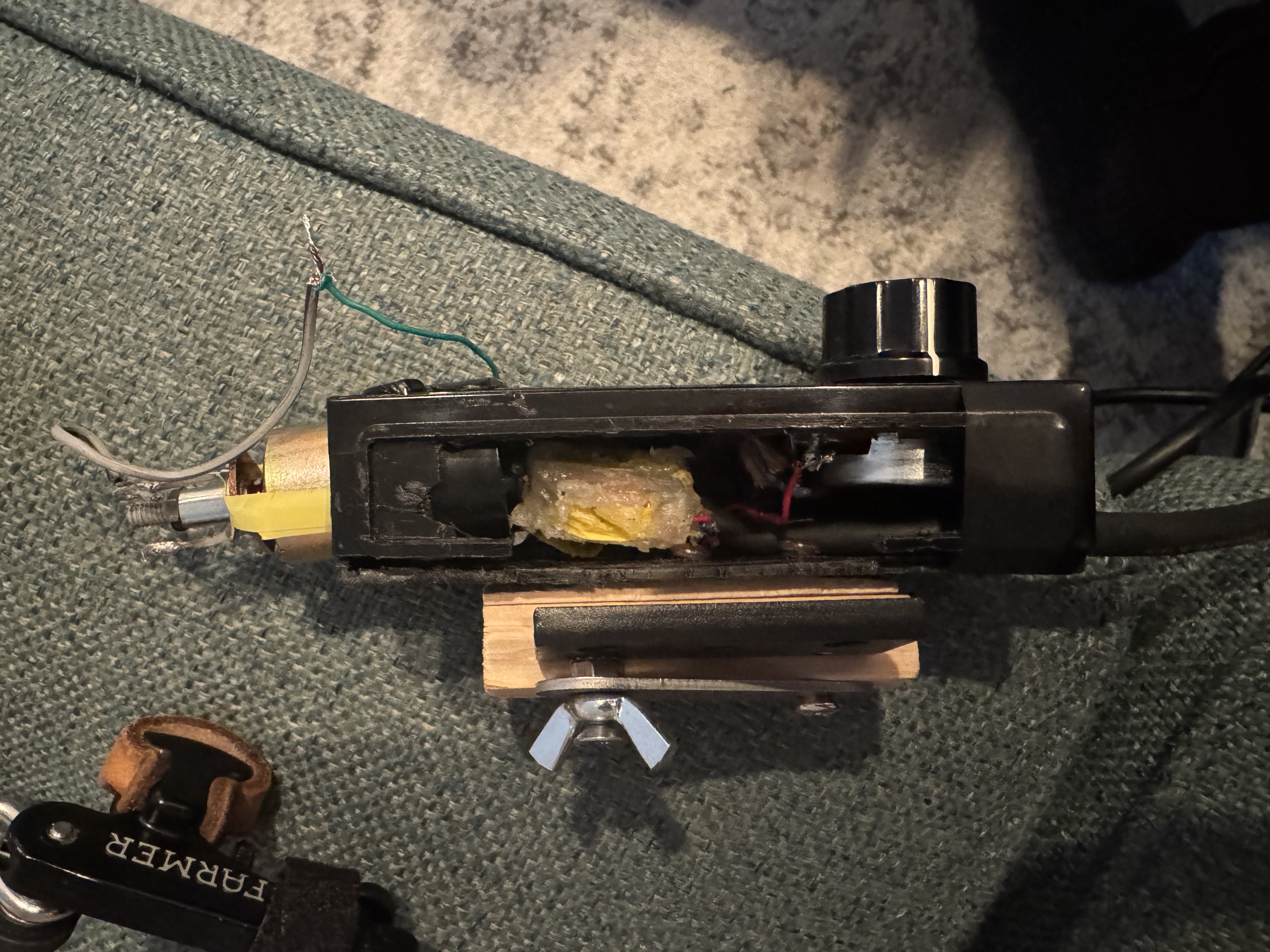
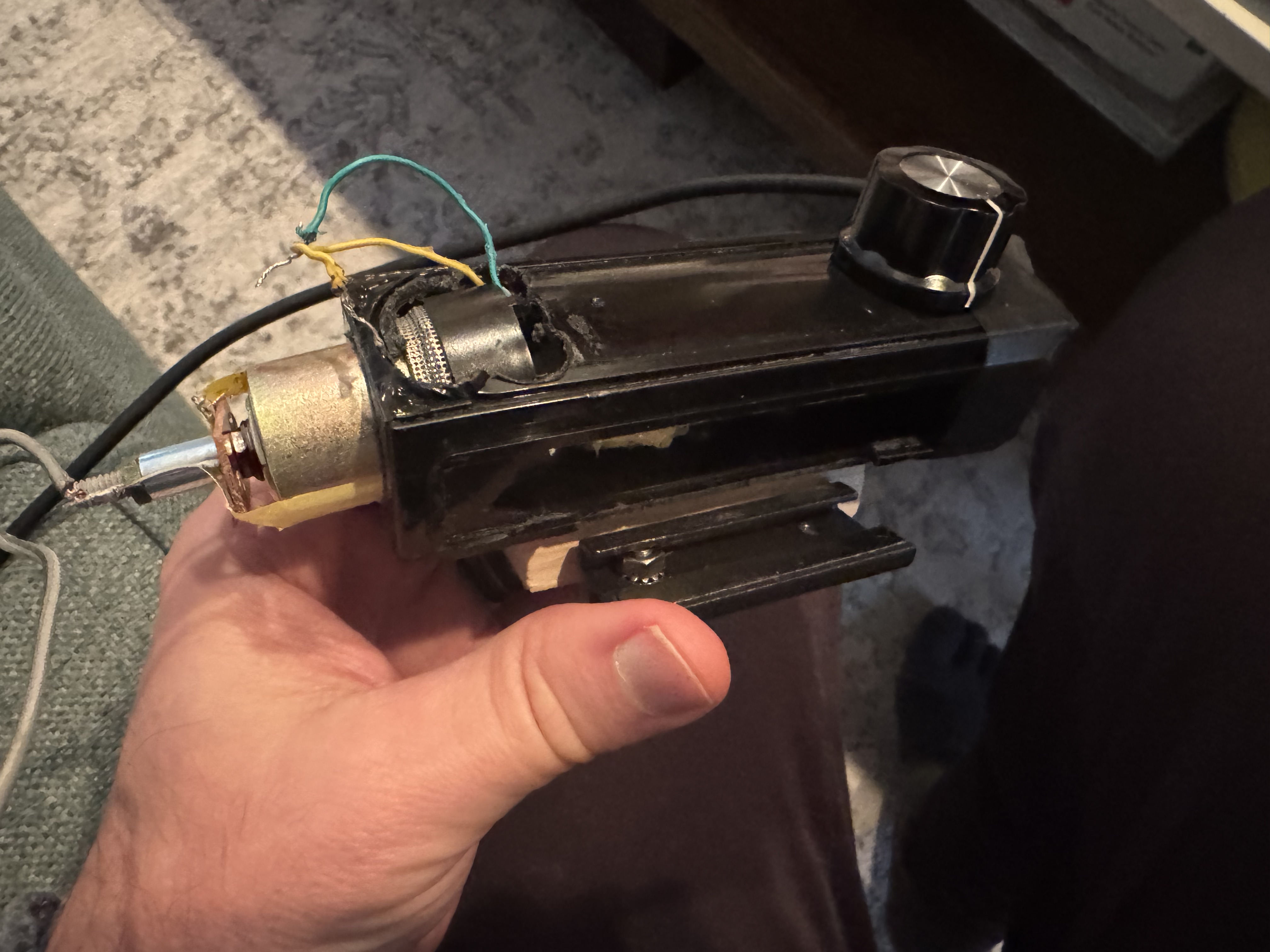
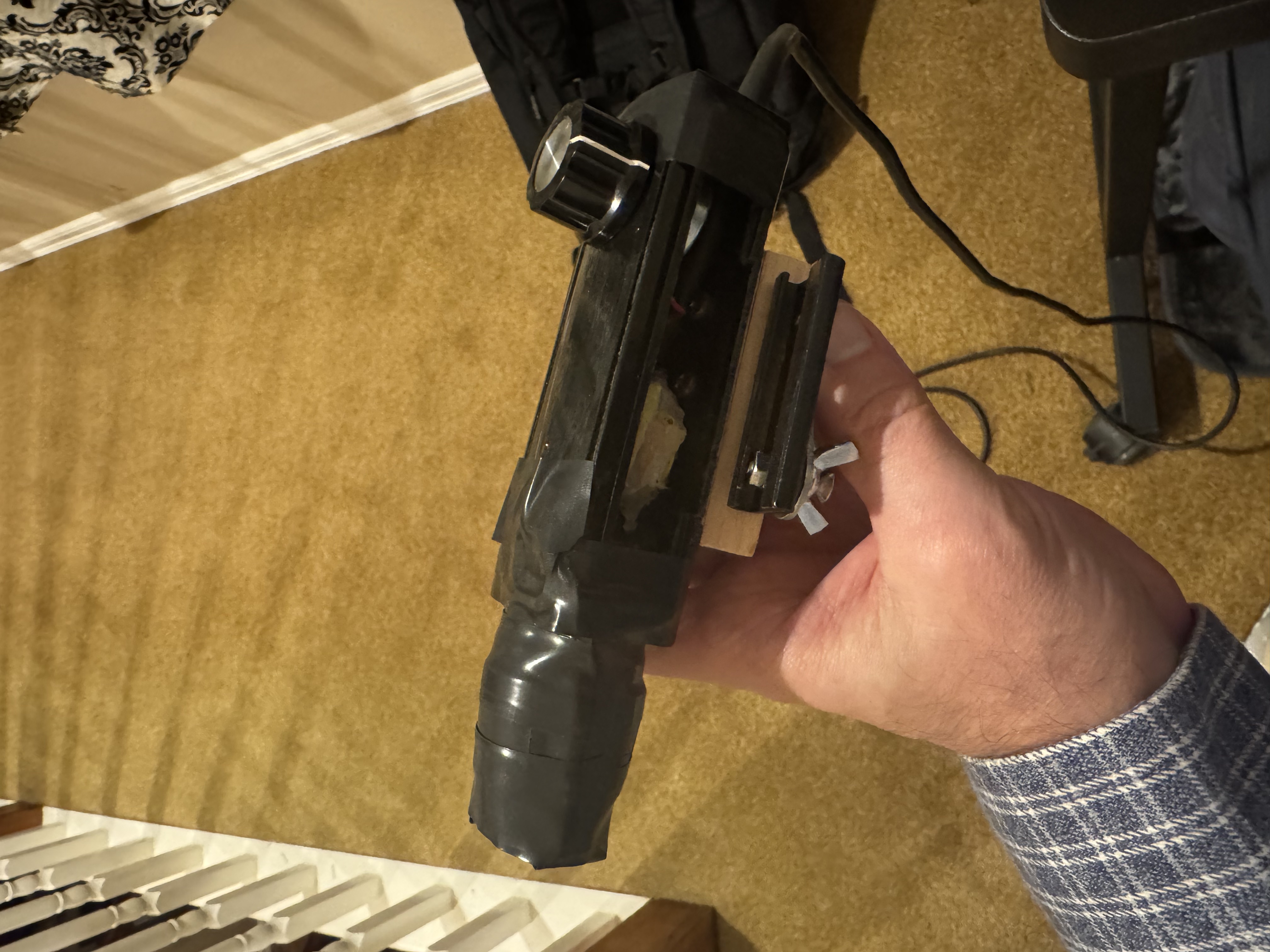
The first fit check wasn’t printed at all: I hacked a plastic harmonica case into a rough shell to see where the mic element needed to sit relative to the reed plates. That saved a lot of bad prints.
Prototype v1 — plastic case
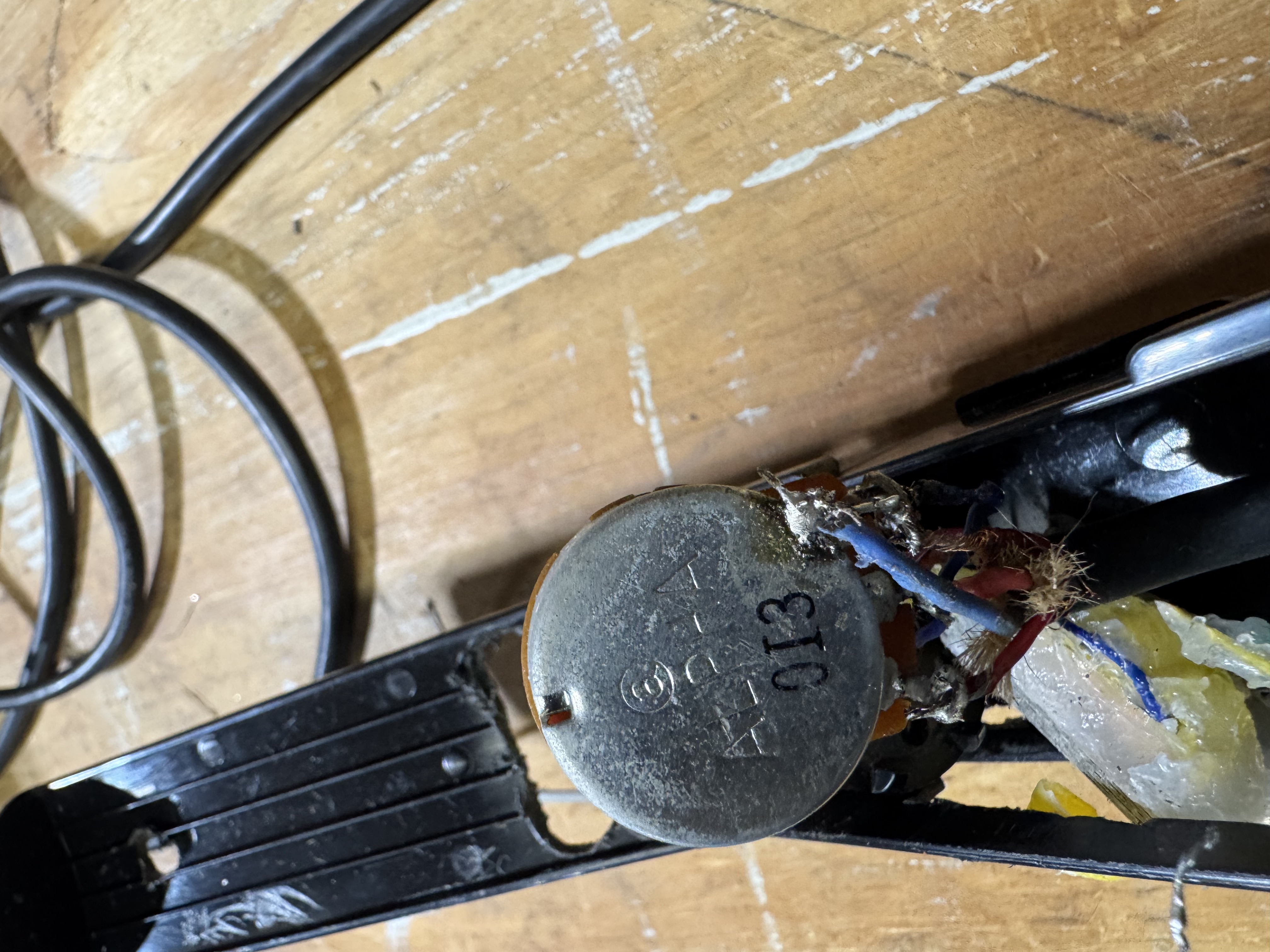
The harmonica case prototype confirmed the clip angle and how close the capsule needed to be to the cover plates. Ugly, but fast.
Prototype v2 — printed shell
Once the geometry felt right, I moved to printed base and lid parts. A few more rounds of fit-and-trim on the pot pocket and XLR strain relief, then it was ready to wire and gig.
On stage
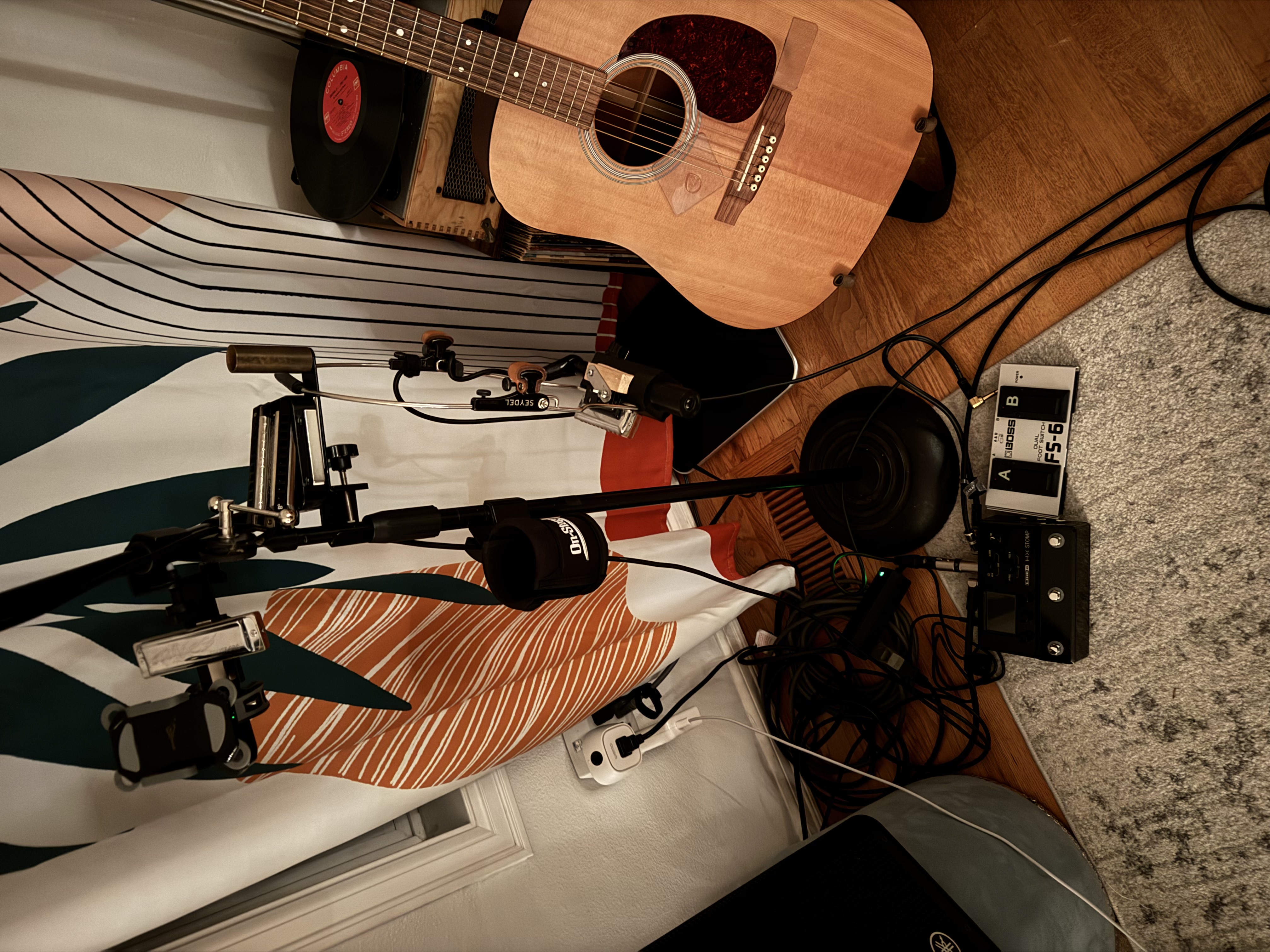
The finished mic clips onto any diatonic harmonica — I play Seydels, but it fits Hohners, Suzukis, and the rest just fine. Signal runs through the inline pot and out on XLR like any vocal mic. No batteries, no proprietary wireless — just plug into the board.
Downloads
STL files and photos from this write-up. OpenSCAD source is on GitHub. Use and remix freely.
- harmonic-mic-3d-V2.scad OpenSCAD · GitHub
- harmonic-base-3.stl STL
- harmonic-lid-3.stl STL